Ambush Marketing: The Art of Benefiting from Major Events

Anyone following the 2026 FIFA World Cup is witnessing a remarkable marketing story unfold. And it begins in California, more specifically in Santa Clara.
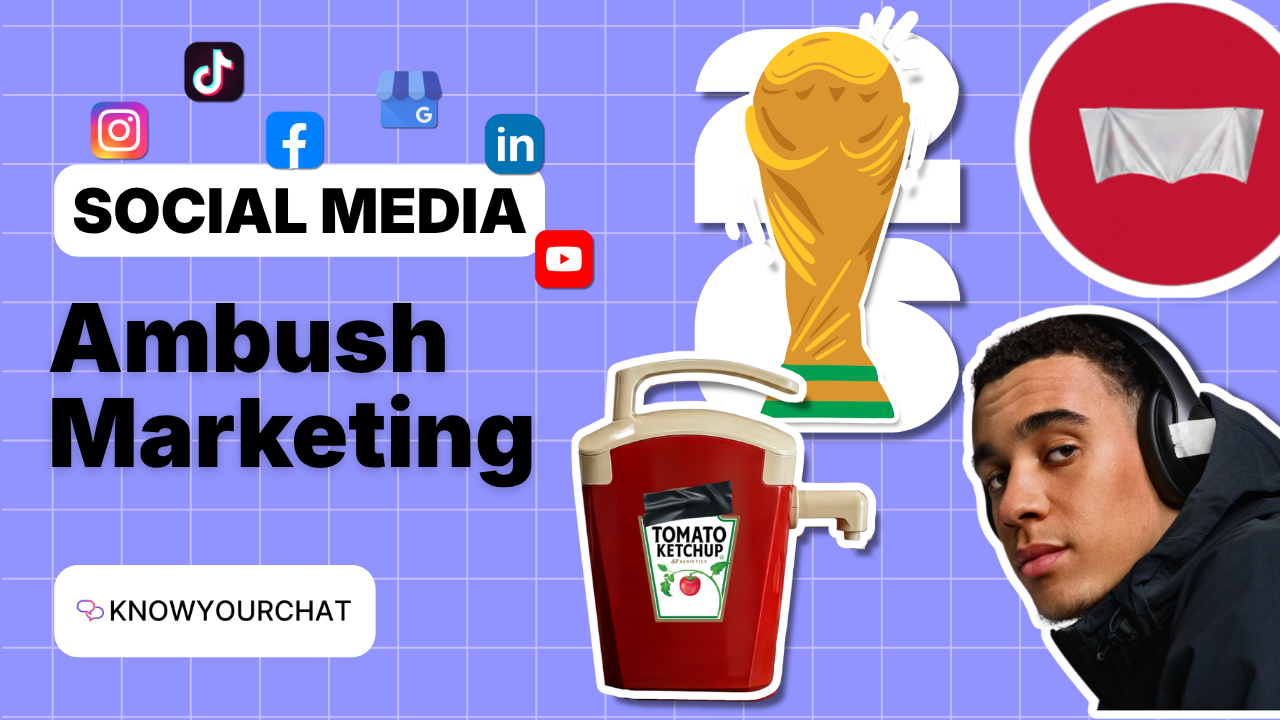
That is where Levi's Stadium, home of the NFL's San Francisco 49ers, is located. During the World Cup, however, the stadium suddenly carries a different name. Since Levi's is not an official FIFA sponsor, the venue has been temporarily renamed the "San Francisco Bay Area Stadium." The iconic Levi's logos on the stadium's exterior have been covered with large white sheets.
From FIFA's perspective, the decision makes perfect sense. Official sponsors invest billions in exclusive partnerships and expect visibility in return. What happened next, however, surprised even seasoned marketing professionals.
Levi's published a short video on Instagram and TikTok showing the covered logos, accompanied by the caption: "Welcoming the world to the beautiful [redacted] stadium."
What made the campaign so effective was its simplicity. Even though the logo was hidden, everyone immediately knew which brand was being referenced. Levi's also updated its profile pictures across social media platforms, replacing them with the covered version of its logo.

Within a short period of time, the video generated more than 70 million views. Users described the campaign as a "Legendary Move" and an example of "Advanced Marketing." Levi's doubled down on the idea by turning the covered logo into a recurring creative asset. In Las Vegas, a digital billboard truck drove through the city displaying the concealed logo alongside the message: "Nothing to see here. #definitelynotlevis."
And that was only the beginning.
From Santa Clara to Boston
Soon after, another brand joined the conversation. Gillette Stadium in Foxborough, Massachusetts, just outside Boston, is also one of the World Cup venues. Here too, FIFA removed the sponsor name for the duration of the tournament, referring to the venue simply as "Boston Stadium."
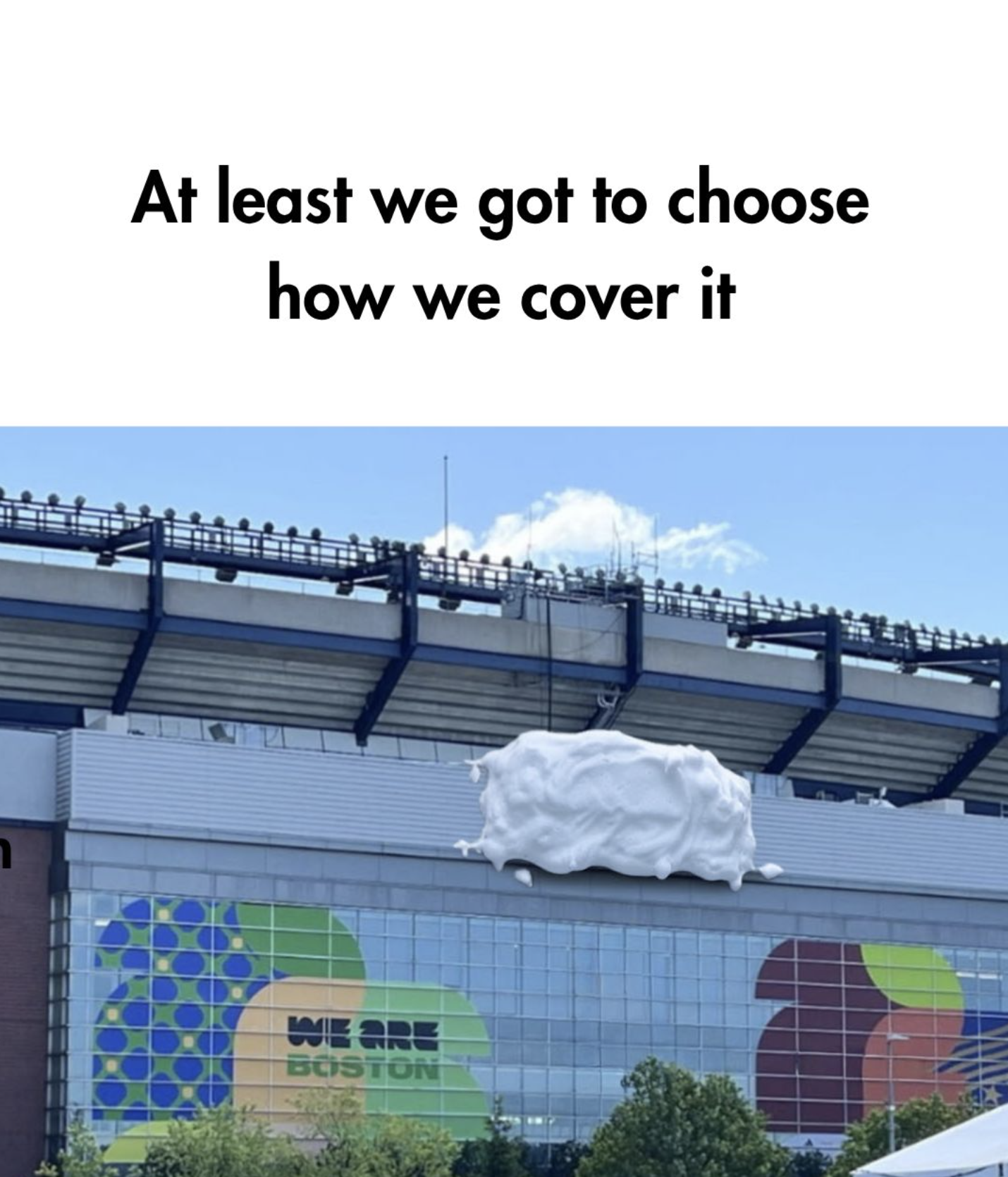
Gillette responded with humor. On Instagram, the brand shared an AI-generated image showing the stadium logo covered in shaving foam. The caption was directed straight at Levi's:
"@levis they got us too"
The headline on the image read:
"At least we got to choose what covered it."
Levi's responded publicly in the comments:
"Oh, so there are favorites."
Within hours, the exchange between the two brands attracted more attention than many traditional advertising placements ever could.
Even Ketchup and Tabasco Became Part of the Story
FIFA's measures were not limited to stadium names. Products inside the venues were affected as well.
Labels on Heinz ketchup bottles and Tabasco sauce containers were covered to reduce the visibility of non-sponsoring brands. The companies quickly turned the situation into content, sharing posts that highlighted the covered labels.
What was intended to reduce brand visibility suddenly became a social media story in its own right.
Jamal Musiala and the Covered Beats Headphones
Another memorable moment occurred before Germany's opening match. Jamal Musiala arrived at the stadium wearing Beats headphones. The problem? Beats is not an official FIFA partner. As a result, the logo on the headphones had to be covered.
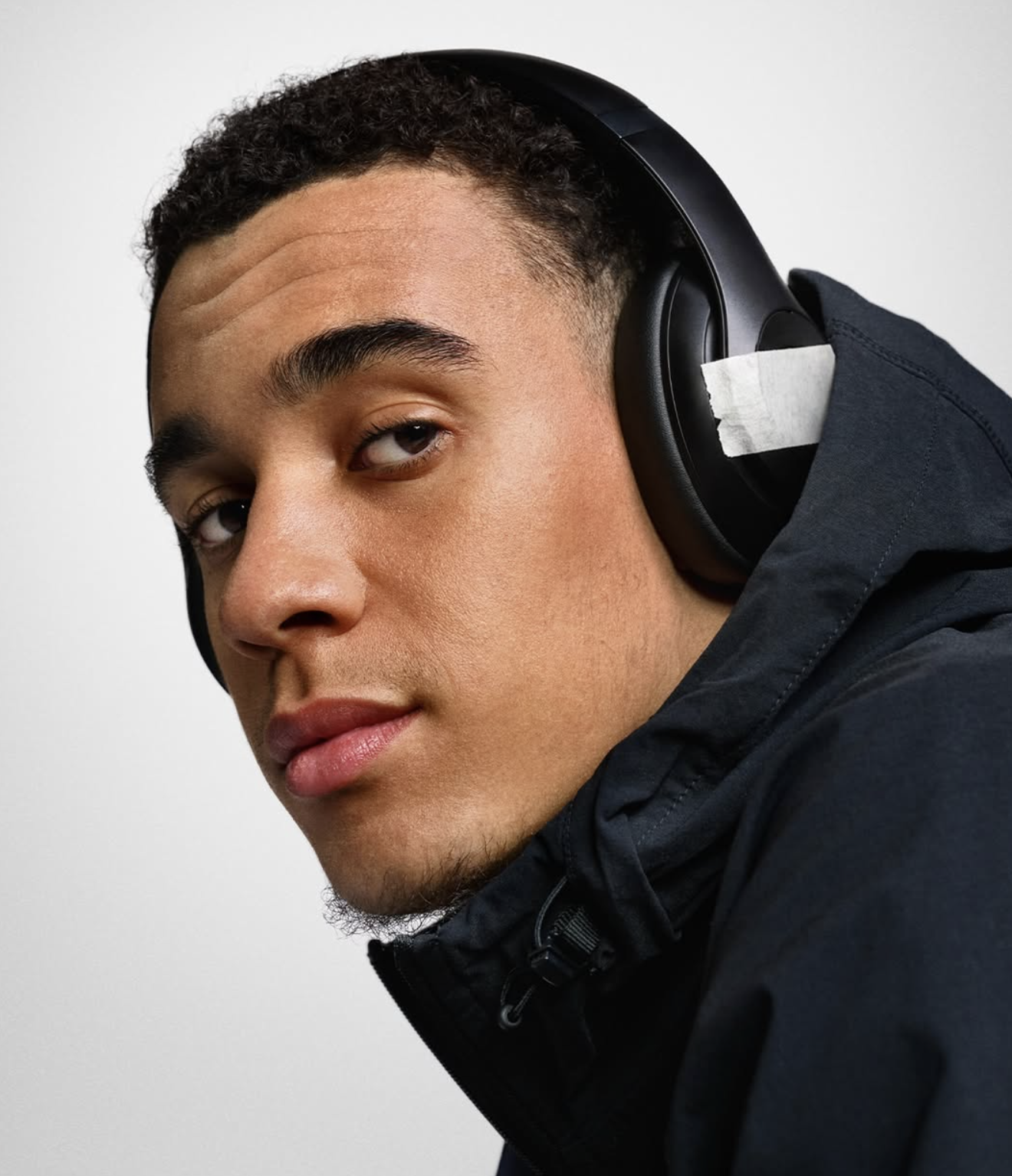
Shortly afterwards, Beats shared images of the moment on its own social media channels. For marketing professionals, it felt familiar.
During previous World Cups, Beats repeatedly managed to generate significant attention despite not being an official sponsor. The brand understood early on that cultural relevance can sometimes be more valuable than sponsorship rights.
FIFA Is Doing Everything Right – And Others Still Win
FIFA's approach is entirely logical. Companies invest enormous sums to become official World Cup sponsors. Those investments only make sense when they come with exclusive rights. Sponsors want visibility, differentiation and protection from competing brands.
That is precisely why stadium names are changed, logos are covered and branding is restricted. At the same time, the attention surrounding Levi's and Gillette does not mean official sponsorship has lost its value. Quite the opposite.
Brands such as Adidas, Coca-Cola, McDonald's and Check24 continue to invest heavily in campaigns, partnerships and advertising around the World Cup. They benefit from global visibility, long-term brand exposure and an official association with the tournament.
The current examples simply demonstrate that sponsorship alone is no guarantee of attention. While official partners carefully plan their visibility, other brands can capture a significant share of the conversation through creativity and timely execution.
What Ambush Marketing Really Means
The examples surrounding this year's World Cup highlight a marketing concept that is far from new: ambush marketing.
The term describes strategies that allow companies to benefit from the attention surrounding a major event without purchasing official sponsorship rights. This does not necessarily involve breaking rules. In many cases, these campaigns operate entirely within legal boundaries.
The goal is simple: leverage the public attention surrounding an event and connect it to your own brand.
That is why organisations such as FIFA invest considerable resources into protecting their sponsors. Official partners pay substantial amounts for exclusivity. Ambush marketing challenges this model by allowing creative brands to become part of the public conversation without appearing on the official sponsor list. The 2026 World Cup provides several compelling examples of this approach in action.
Why Attention Works Differently Today
For decades, marketing was largely a visibility game. The more often people saw a brand, the more successful a campaign was considered to be. That logic still applies. However, a second layer has emerged.
People do not share advertising placements. They share stories.
A covered stadium logo is, on its own, simply a covered stadium logo. The moment a brand turns it into a story, the situation changes. The event becomes a conversation starter. People comment on it, react to it and share it with friends and colleagues.
The resulting reach comes from the reaction, not from the advertising space itself.
The Power of Cultural Relevance
The success of these campaigns is not solely driven by creativity. Levi's benefited from something many companies underestimate: cultural relevance.
The covered logo worked because people instantly recognised the brand. The famous Batwing logo has become one of the most recognisable visual identities in the world. Even partially hidden, it remained unmistakable.
The same principle applies to other iconic brands. Nike is often recognised by the Swoosh alone. McDonald's can rely on its golden arches.
Apple frequently runs campaigns without prominently displaying its name. Strong brands spend years building recognition. As a result, they can tell stories that would be far more difficult for lesser-known companies to tell.
Beats understood this principle early on. The brand gained visibility around major sporting events because it became part of the culture. Athletes wore the headphones voluntarily, and fans recognised them immediately.
The world's most successful brands rarely sell products alone. They create meaning.
Why Reactions Often Outperform Campaigns
Another trend becomes clear when looking at the current examples. None of these brands spent months preparing a dedicated World Cup campaign.
Levi's reacted to the stadium renaming. Gillette reacted to Levi's. Heinz and Tabasco reacted to FIFA's restrictions. The attention did not emerge from a carefully planned campaign. It emerged from a situation.
This is one of the key differences between modern social media marketing and traditional advertising. In the past, brands created campaigns and hoped they would attract attention.
Today, attention often already exists. Successful brands recognise these moments and become part of the conversation.
This does not make strategic planning obsolete. It does, however, require companies to identify and assess opportunities much faster than before. Many of the most successful social media moments of the past decade emerged in exactly this way.
What Companies Can Learn From This
The most important lesson from these World Cup examples has very little to do with football. Companies should stop defining attention solely through reach. Reach matters. Visibility matters. But increasingly, neither is enough on its own.
People engage with topics that surprise them, entertain them or make them think. They respond to brands that understand what is happening around them and contribute something meaningful to the discussion.
That does not require a multi-million-dollar budget. It requires an understanding of the conversations that are already taking place and a clear view of how a brand can add value to them. That is where many of today's most successful pieces of content are born.
How KNOWYOURCHAT Supports Businesses
Modern communication rarely fails because companies cannot create content. More often, the challenge lies in identifying relevant topics early enough.
KNOWYOURCHAT's AI Crew helps organisations monitor emerging trends, industry developments and ongoing conversations. It supports teams in identifying opportunities, evaluating their relevance and transforming them into content ideas that align with both the brand and its audience.
Because the best content does not always come from a content calendar. More often, it comes from recognising the right moment.
Conclusion
The 2026 FIFA World Cup offers a powerful example of how marketing continues to evolve. Levi's, Gillette, Heinz, Tabasco and Beats all have one thing in common: they were not the most visible brands. They were the brands with the most interesting stories.
FIFA will continue to sell sponsorship rights, and companies will continue to pay for exclusive visibility. What has changed is the way attention is created.
People do not automatically talk about what they see. They talk about what they find interesting. And that remains one of the greatest competitive advantages a brand can have today.